Our Products
Need help?
Gut No. 74/2, Nagzari, Boisar East, Palghar
Tel: +91 89755 59925
Email: info@omultramodesand.com
Plaster M-Sand
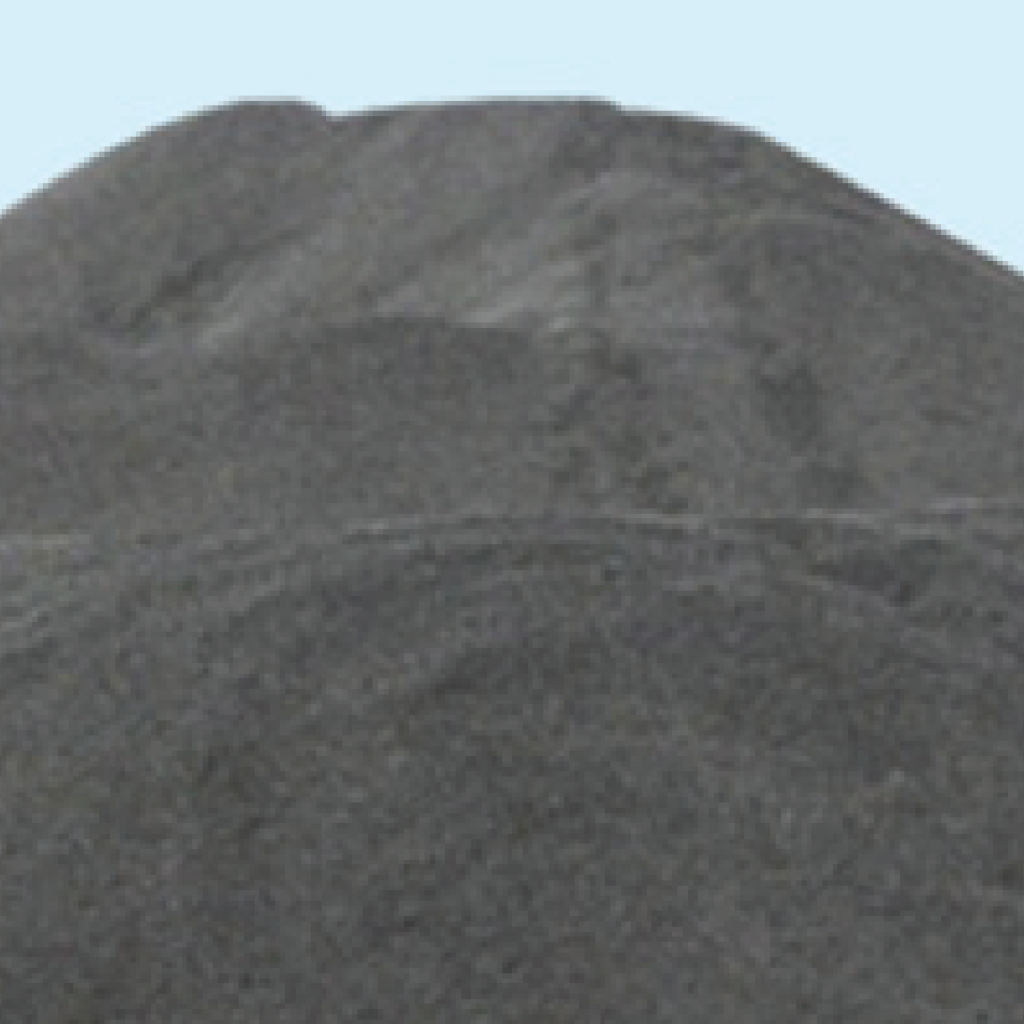
Manufactured concrete sand, also known as concrete M-sand , is a type of concrete that is made by replacing natural sand with specially manufactured sand. This sand is produced from crushing hard granite rocks using state-of-the-art technology, which ensures that the sand particles are of consistent size, shape, and texture.
Benefits of using Concrete M-Sand
-
1
Consistent quality: Concrete M-Sand is manufactured using advanced technology, ensuring that each particle is of consistent quality, size, and shape. This results in stronger and more durable concrete structures.
-
2
Better workability: Concrete M-Sand has a smoother surface texture than natural sand, making it easier to mix and work with. This improves the workability of the concrete mix, reducing the amount of water required and improving the overall quality of the concrete.
-
3
Higher strength: Concrete M-Sand has a higher compressive strength compared to natural sand. This makes it an ideal choice for high-strength concrete structures, such as bridges, dams, and high-rise buildings.
-
4
Cost-effective: Concrete M-Sand is more cost-effective than natural sand as it is manufactured using advanced technology and requires fewer resources to produce. This makes it an affordable alternative to natural sand, especially in regions where natural sand is scarce.
-
5
Environmentally friendly: Concrete M-Sand is made from crushed rocks, which are a natural resource. This reduces the need for dredging, which can cause environmental damage to rivers and oceans. Additionally, the manufacturing process of Concrete M-Sand produces less carbon dioxide compared to the production of natural sand.
-
6
Conserves water: Since Concrete M-Sand requires less water to produce high-quality concrete, it helps in conserving water resources. This makes it a sustainable choice for the construction industry.
-
7
Improves durability: Concrete M-Sand has a consistent particle size and shape, which results in stronger and more durable concrete structures. It also reduces the risk of cracks and voids, improving the longevity of the concrete.